Curious why one Huntington Park home seems to command a much higher price than another just a few streets away? If you are buying, selling, or simply keeping an eye on your equity, that question matters. The good news is that home values in Huntington Park usually make more sense once you look at the right factors, from lot position and updates to neighborhood amenities and broader west Omaha market trends. Let’s dive in.
Why Huntington Park Values Vary
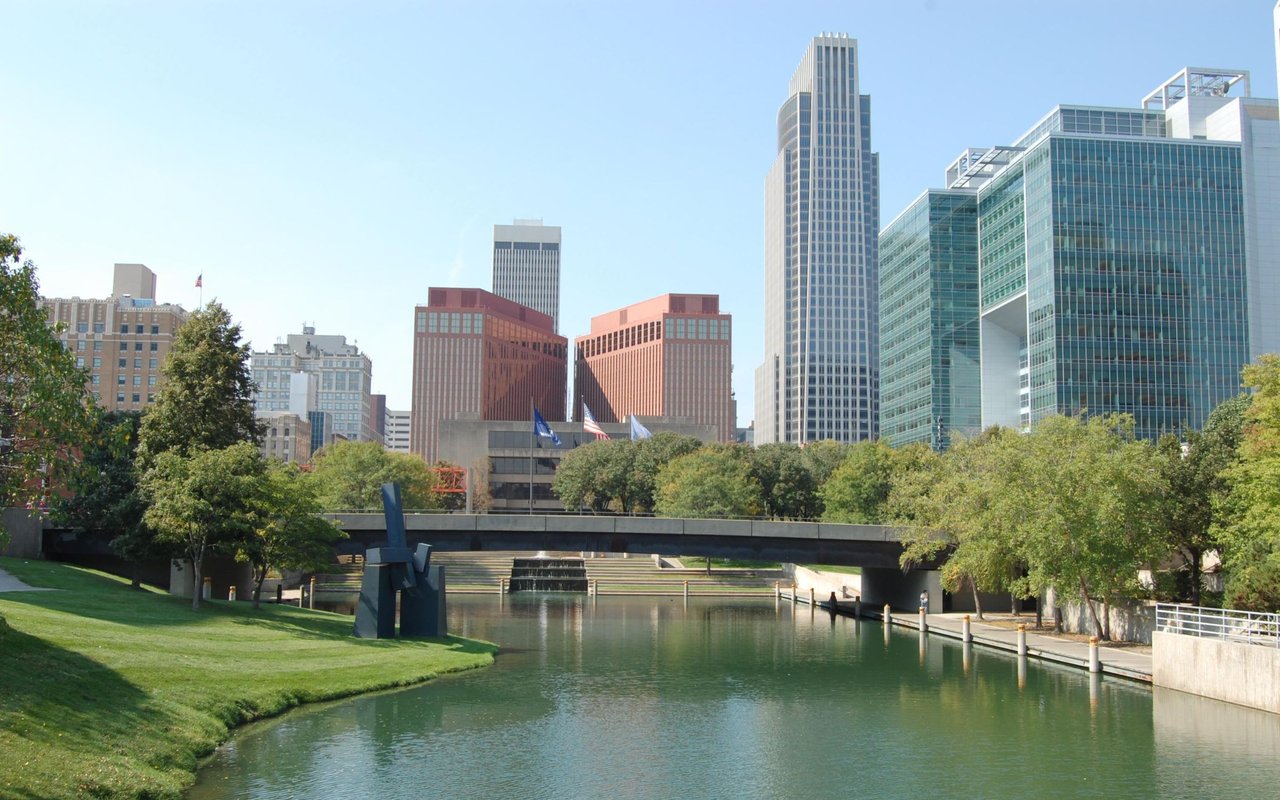
Huntington Park is located north and west of 156th and Blondo in Omaha. The neighborhood setting includes access to I-680, plus amenities like a playground, walking and biking trails, tennis courts, and nearby shopping and dining. In a neighborhood like this, value is shaped by both the home itself and what surrounds it.
That is why two homes in Huntington Park can have very different market values, even if they are close to each other. A larger lot, trail access, better updates, or a more functional layout can all influence what buyers are willing to pay.
How Home Values Are Measured in Nebraska
Nebraska uses actual value
In Nebraska, residential real property is valued through mass appraisal. The state says sales comparison is the primary method, and assessors also consider factors like location, zoning, and current functional use.
Nebraska also states that real property is assessed at or near 100% of actual value. That means your assessed value is meant to reflect the market, not an arbitrary number.
Values can change yearly
Property in Nebraska is valued as of January 1 each year. Because of that, your home’s value can rise or fall even if you did not remodel or make any changes.
Market conditions alone can shift value. The state also notes that additions, remodels, demolition, or outside influences may affect what a property is worth.
What Impacts Home Value in Huntington Park
Location inside the neighborhood
Douglas County appraisal guidance makes it clear that location still matters at the neighborhood level. In Huntington Park, that can mean whether your home backs to trails, sits near the park, has a corner lot, or is positioned on a larger parcel.
A home with park or trail adjacency may appeal differently than a home with a more standard interior lot. That does not mean one is always better, but it does mean buyers often respond to lot position in a meaningful way.
Home style and age
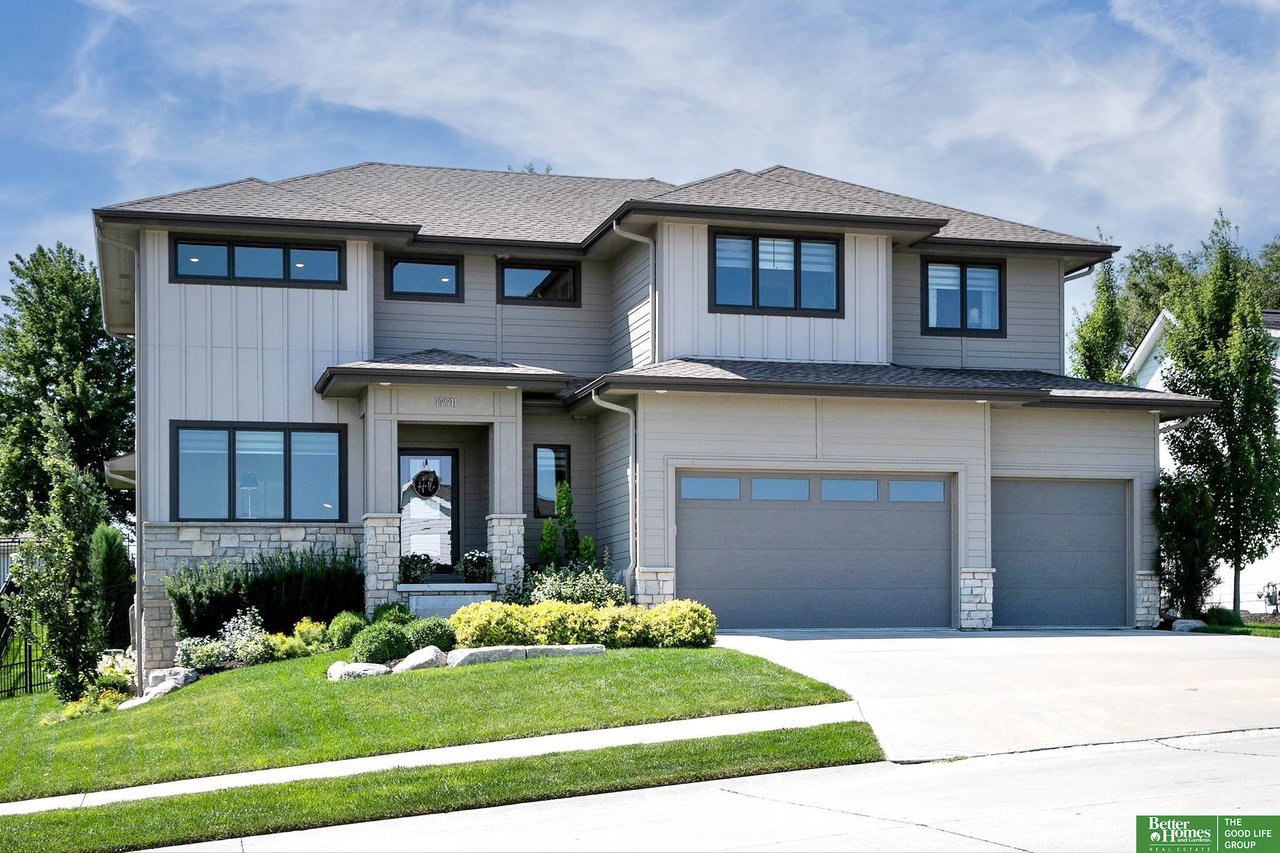
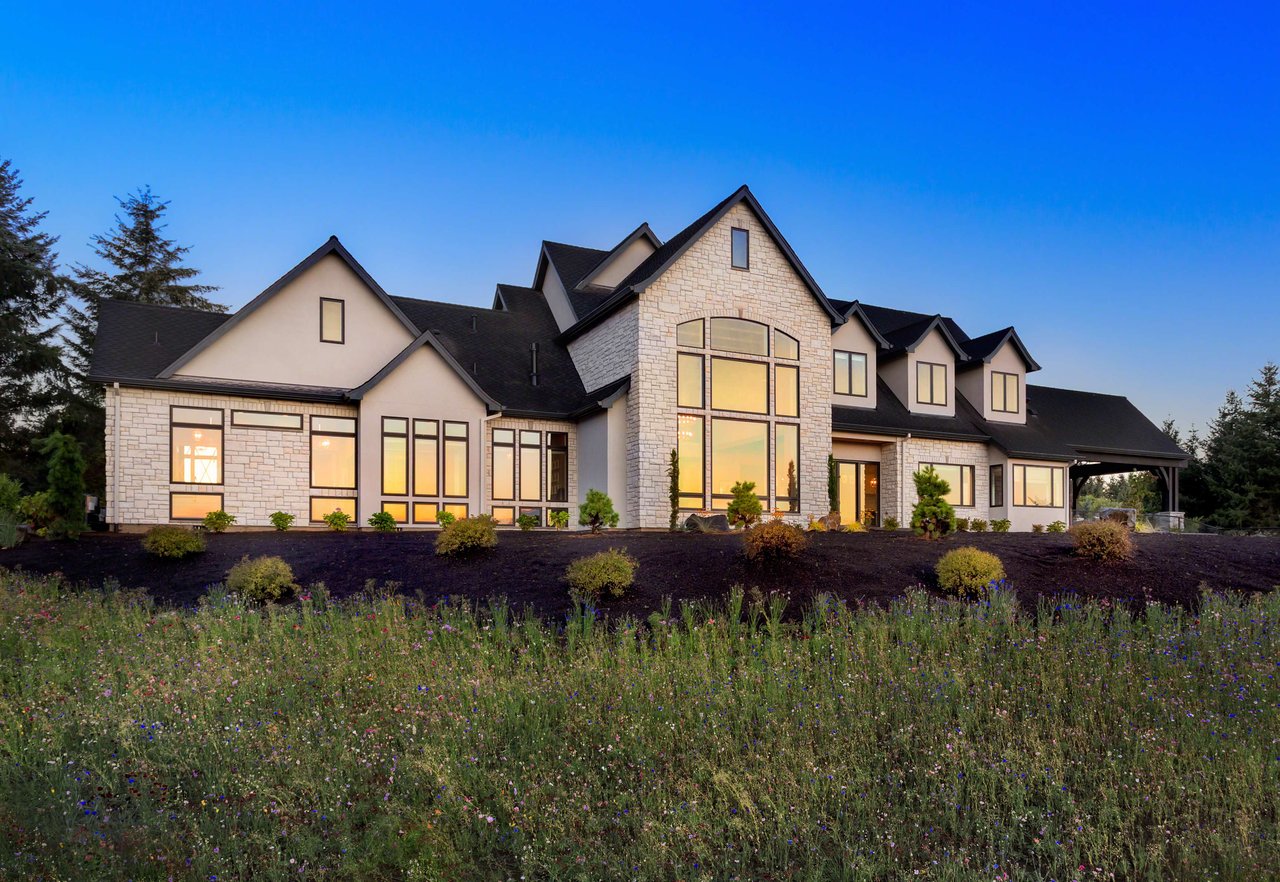
Huntington Park includes more than one type of housing product. Public examples show everything from older ranch homes to larger homes built in the mid-to-late 1990s.
That variety matters when pricing a home. A ranch built in 1961 should not automatically be measured against a much newer and larger walkout ranch or 1.5-story home just because they share the same subdivision name.
Condition and finish level
Douglas County also points to build quality, condition, and amenities as major value factors. Two homes with similar square footage can still land at very different prices if one has updated finishes, a better interior presentation, or more usable lower-level space.
This is especially important in Huntington Park, where homes can differ in basement finish, kitchen updates, bath updates, and overall interior quality. Buyers often compare these details closely.
Updates and functionality
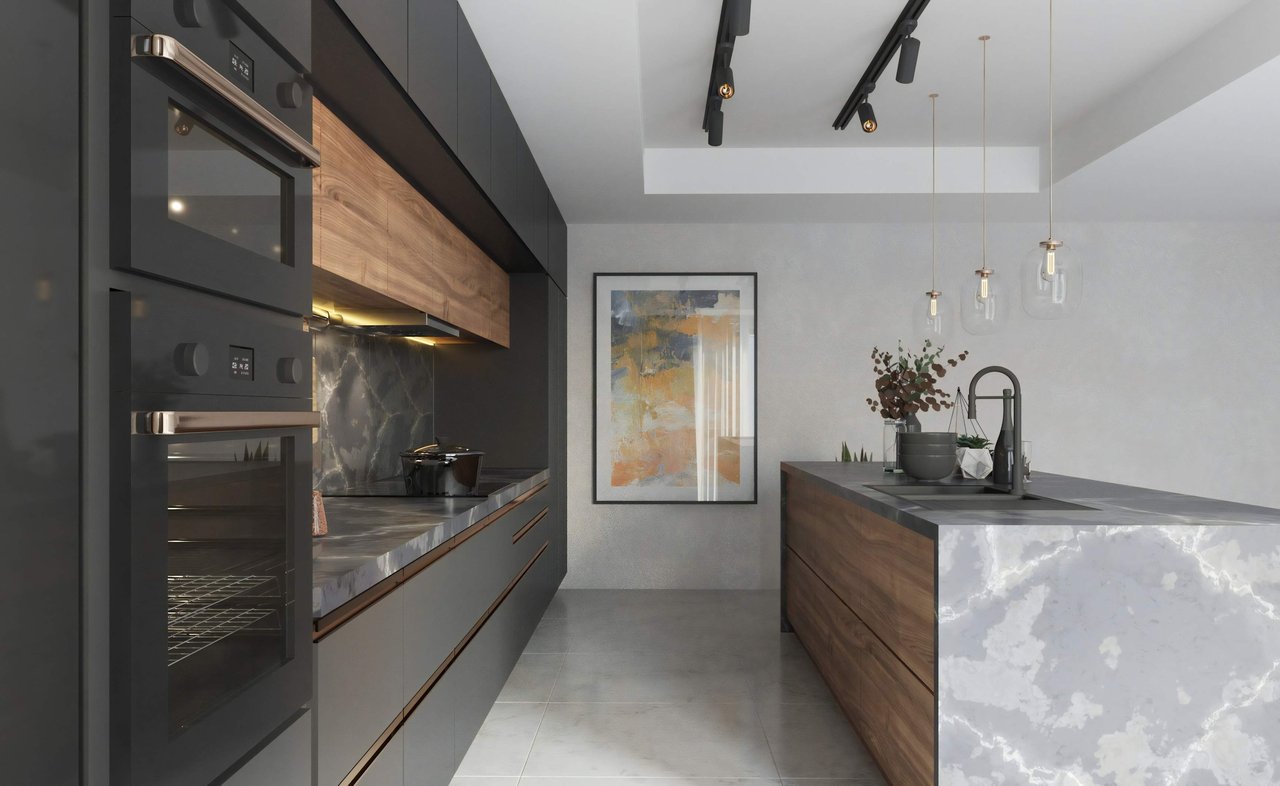
Updated kitchens and baths, finished lower levels, and strong overall presentation can support value. County guidance and current market behavior suggest that features like these often help a home compete more effectively.
Functional layout matters too. If a home lives well for today’s buyers, that can support pricing in ways that raw square footage alone does not.
What Recent Huntington Park Sales Tell You
A few public examples help show why pricing in Huntington Park is rarely one-size-fits-all. They highlight how age, lot size, style, and amenity access can create a wide range of value.
One example is 2506 N 156th St, a 3-bedroom, 2-bath ranch built in 1961 on a 0.62-acre lot. The listing describes it as a solid concrete home on a park-like lot at the entrance to Huntington Park, while county data notes average condition.
Another is 2232 N 161st St, a 4,022-square-foot walkout ranch built in 1996 on a 0.32-acre lot. Its listing notes trail and park adjacency, updated appliances, and outdoor living space near the neighborhood park and tennis court.
A third example is 2718 N 159th St, a 4,213-square-foot 1.5-story home built in 1997 on a 0.42-acre corner lot with good condition. Even without comparing exact sale terms here, you can see why these homes would not be valued the same way.
The best comp is not always the closest one
This is one of the biggest takeaways for Huntington Park sellers and buyers. The best comparable sale is usually the home that most closely matches style, age, condition, lot position, and update level.
A nearby sale can be useful, but it is not automatically the best benchmark. In a neighborhood with this much variety, the right comp often matters more than the closest comp.
How the West Omaha Market Supports Value
Huntington Park does not exist in a vacuum. The broader west Omaha and Douglas County market also helps shape what buyers are willing to pay.
The Omaha Area Region MLS report for March 2026 showed an existing-home median closed price of $300,000, up 7.5% year over year. Inventory also rose 14.5%, but supply remained low at 1.3 months.
That still points to a fairly tight market. In west Omaha, Redfin’s May 2026 snapshot showed a median sale price of $366,399 and about 13 days on market, while Realtor.com also described Omaha as a seller’s market and showed a West Omaha median listing price of $369,900.
For Huntington Park specifically, Zillow’s neighborhood index places value around $608,333, up 2.4% over the past year. That lines up with the area’s larger homes, larger lots, and amenity-rich setting compared with west Omaha overall.
What May Hold Value Best
Features with staying power
If you are thinking long term, the safest way to think about home value is through durable value drivers. Based on county valuation guidance and current market data, homes with stronger lot positions, better interior presentation, updated kitchens and baths, finished lower levels, and park or trail adjacency may hold more pricing power than more dated homes.
That is not a guarantee of future appreciation. It is simply a practical way to understand which features tend to stand out when buyers compare homes.
Deferred maintenance matters
Condition cuts both ways. If a home has deferred maintenance or dated finishes, buyers may factor that into offers, especially when they have options.
In a neighborhood where many homes offer size and attractive settings, presentation and upkeep can make a real difference. For sellers, that often means small improvements and thoughtful preparation can help support a stronger pricing strategy.
What Assessed Value Means for You
Your assessed value and market value are related, but they are not always identical in practice. Nebraska’s process relies on comparable sales from the relevant study period, so one standout sale does not necessarily define your home’s value.
If you feel your assessed value does not reflect your property accurately, the state’s timeline matters. Nebraska says valuation notices are sent by June 1, and protests are due on or before June 30.
The strongest support for a protest is usually a set of comparable sales involving similar homes in the subdivision from the relevant study period. In Huntington Park, that means comparing homes carefully by style, age, updates, and lot characteristics, not just by address proximity.
Why Local Pricing Advice Matters
Huntington Park has enough variety that pricing a home well takes more than plugging an address into an estimate tool. You need to look at the details that buyers and appraisers notice, including condition, finish level, lower-level space, lot position, and how the home fits within the neighborhood’s broader mix.
If you are selling, this kind of analysis can help you avoid underpricing a well-positioned home or overpricing a dated one. If you are buying, it can help you spot whether a listing is supported by the neighborhood data or leaning too heavily on a few flashy comparisons.
When you want a clearer picture of what your Huntington Park home may be worth, or how to position it in today’s market, connecting with a local expert can make the process much less stressful. If you are ready for a thoughtful, data-driven conversation, reach out to Stacey Reid.
FAQs
How are home values determined in Huntington Park?
- Home values in Huntington Park are generally shaped by comparable sales, location within the neighborhood, home style and age, condition, finish level, updates, and amenities like larger lots, trails, or park adjacency.
Why can two Huntington Park homes have very different values?
- Two Huntington Park homes can vary in value because the neighborhood includes different home styles, build years, lot sizes, interior finishes, and locations, such as corner lots or homes near trails and park space.
Does assessed value equal market value in Huntington Park?
- Nebraska aims to assess residential property at or near 100% of actual value, but market value in a real-world sale can still depend on current buyer demand, home condition, and how closely the best comparable sales match your property.
What features may help a Huntington Park home hold value?
- Features that may support value include stronger lot positions, updated kitchens and baths, finished lower levels, better interior presentation, and proximity to neighborhood amenities like trails or the park.
When can homeowners protest a property valuation in Nebraska?
- Nebraska says valuation notices are sent by June 1, and property valuation protests are due on or before June 30.