Thinking about living in Gretna? If you want a place that feels connected to Omaha but still offers a more suburban pace, Gretna stands out for a reason. From commute access and parks to everyday conveniences and community events, this guide will help you understand what life in Gretna can really look like. Let’s dive in.
Gretna at a Glance
Gretna is a growing city in Sarpy County that describes itself as a small-town community with metro access. It sits just off I-80 and Highway 370, along with Highway 6 and Highway 31, which gives you practical access to both Omaha and Lincoln.
According to the city’s New Residents Guide, Gretna is about 10 miles southwest of Omaha and 40 miles northeast of Lincoln. In everyday terms, that often means roughly 10 to 20 minutes to Omaha and 30 to 40 minutes to Lincoln, depending on your route and traffic.
Census QuickFacts estimates Gretna’s July 1, 2025 population at 9,207. The same source shows an average household size of 2.82, with 30.5% of residents under 18, which helps paint a picture of a community with many households looking for space and long-term stability.
Gretna’s Community Feel
One of Gretna’s biggest draws is its blend of growth and local identity. The city highlights its small-town atmosphere, growing business community, and wide variety of community activities, which gives you more than just a place to live.
Throughout the year, Gretna hosts recurring events that bring people together in simple, accessible ways. The city lists Food Truck Friday, Family Movie Night, Trick or Treat on the Trail, Greenery and Glitter, Winter Carnival, Music at the Crossing, and the Farmer’s Market of Gretna among its community offerings.
The city calendar also includes Gretna Days, with the 2026 event scheduled for July 22 through July 26. Events like these help create a steady civic rhythm, especially if you value a town where local traditions still have a visible place.
Everyday Amenities in Gretna
Daily life in Gretna is supported by a mix of civic spaces, retail areas, and practical services. While it is not set up like a dense urban core, it does offer many of the conveniences people want close to home.
Shopping and dining are concentrated near the main commercial corridors. Nebraska Crossing is accessible from I-80 Exit 432, and Gretna Crossing at Highway 370 and 192nd Street adds a mixed-use area with retail, restaurant, and service tenants.
The Gretna Public Library is another strong part of the local amenity mix. It operates a Main Library at 736 South Street and a Children’s Library at 119 N McKenna Ave, with services that include events, meeting room use, activity passes, and a Library of Things.
The city is also developing a Community Complex that is intended to include a new city hall, library, and community hub. That project points to continued investment in shared public spaces as Gretna grows.
Parks and Outdoor Recreation
If outdoor space matters to you, Gretna has a lot to offer. The city parks system includes a variety of parks and recreational fields, with 10 reservable shelters across six parks.
The standout is Gretna Crossing Park, which was completed in September 2023 and spans 157 acres. The city lists amenities such as an 18-hole disc golf course, amphitheater, baseball fields, dog parks, fishing pond, nature classroom, picnic shelters, playgrounds, soccer fields, softball fields, walking and biking trails, the Prime Time H20 Zone, and the Gretna Crossing YMCA.
Beyond Gretna Crossing Park, the city names North Park, Peterson Park, Lincoln Place Park, Leo Royal Park, Chestnut Ridge Park, Plum Creek Park, and Forest City Recreation Area as part of its parks network. That variety gives you options for everything from a quick playground stop to a longer weekend outing.
Schramm Park State Recreation Area is also nearby and adds another layer to Gretna’s outdoor appeal. Nebraska Game and Parks describes it as a hidden gem in the Platte River valley with wooded trails, birdwatching, a geologic display, river access, a treehouse classroom, the Schramm Education Center, and Nebraska’s oldest state fish hatchery.
Commutes From Gretna
For many buyers, commute patterns are a major part of the decision. Gretna’s location near I-80, Highway 370, and Highway 6/31 is one of the biggest reasons it works well for people who need regular access to Omaha and surrounding employment areas.
Sarpy County notes that the county is minutes south of Omaha and includes Offutt Air Force Base. The road network around Gretna supports a largely car-based lifestyle, which is important to understand if you are comparing it with more central or more walkable areas.
Census QuickFacts reports a mean travel time to work of 21.1 minutes for Gretna workers. That figure, paired with interstate access, helps explain why Gretna often appeals to buyers who want suburban living without giving up a manageable drive.
The area is also seeing transportation improvements. The current 192nd Street feeder-road project is designed to improve connectivity to the future I-80 interchange, which may further support regional access over time.
What the Housing Pattern Tells You
Gretna’s layout gives you a good sense of what living here feels like day to day. The city’s comprehensive plan appendix says single-family residential uses make up 25% of Gretna’s land use, while multifamily accounts for only 0 to 1%.
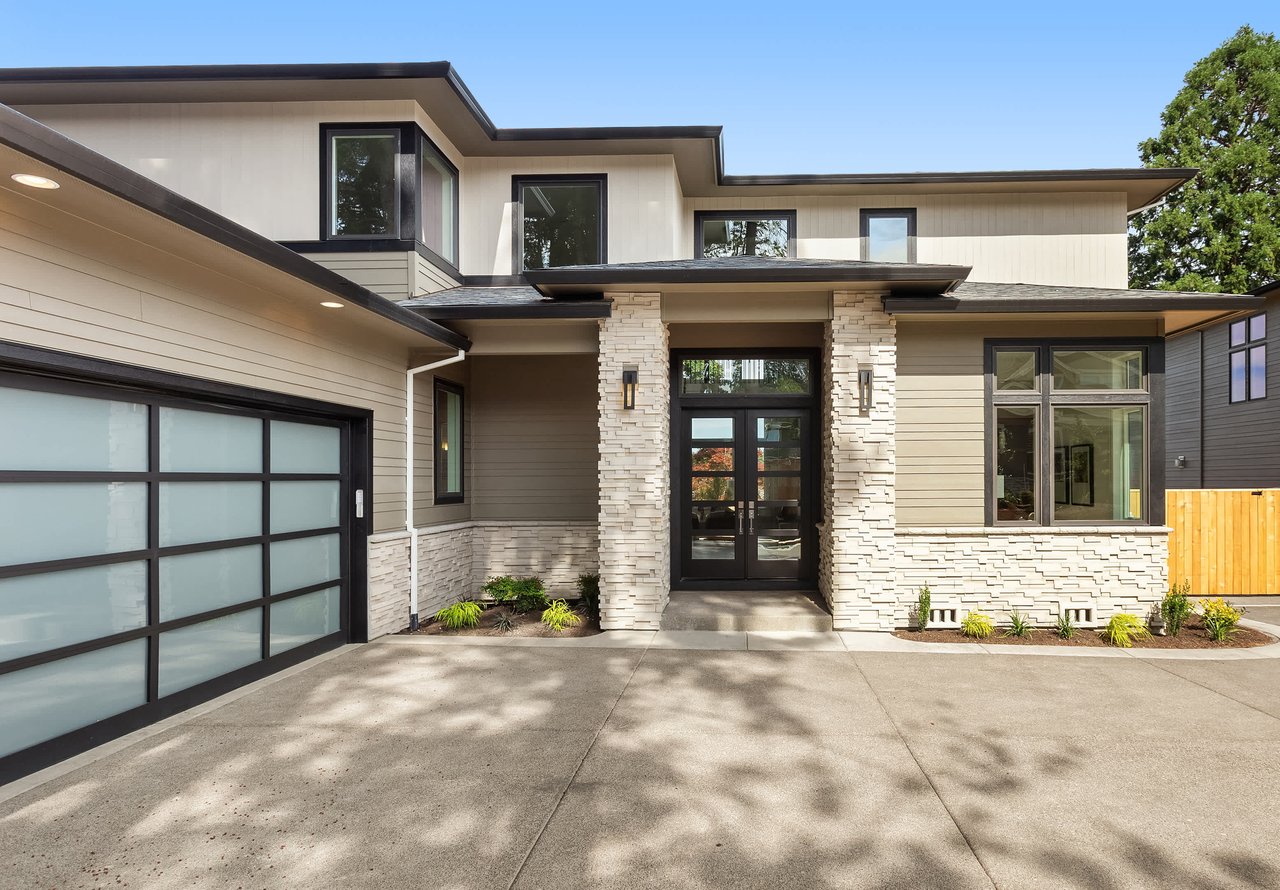
Commercial uses are clustered near the major I-80 interchanges, which reinforces a suburban development pattern. In practical terms, Gretna is better understood as a subdivision-based suburb than a walkable urban center.
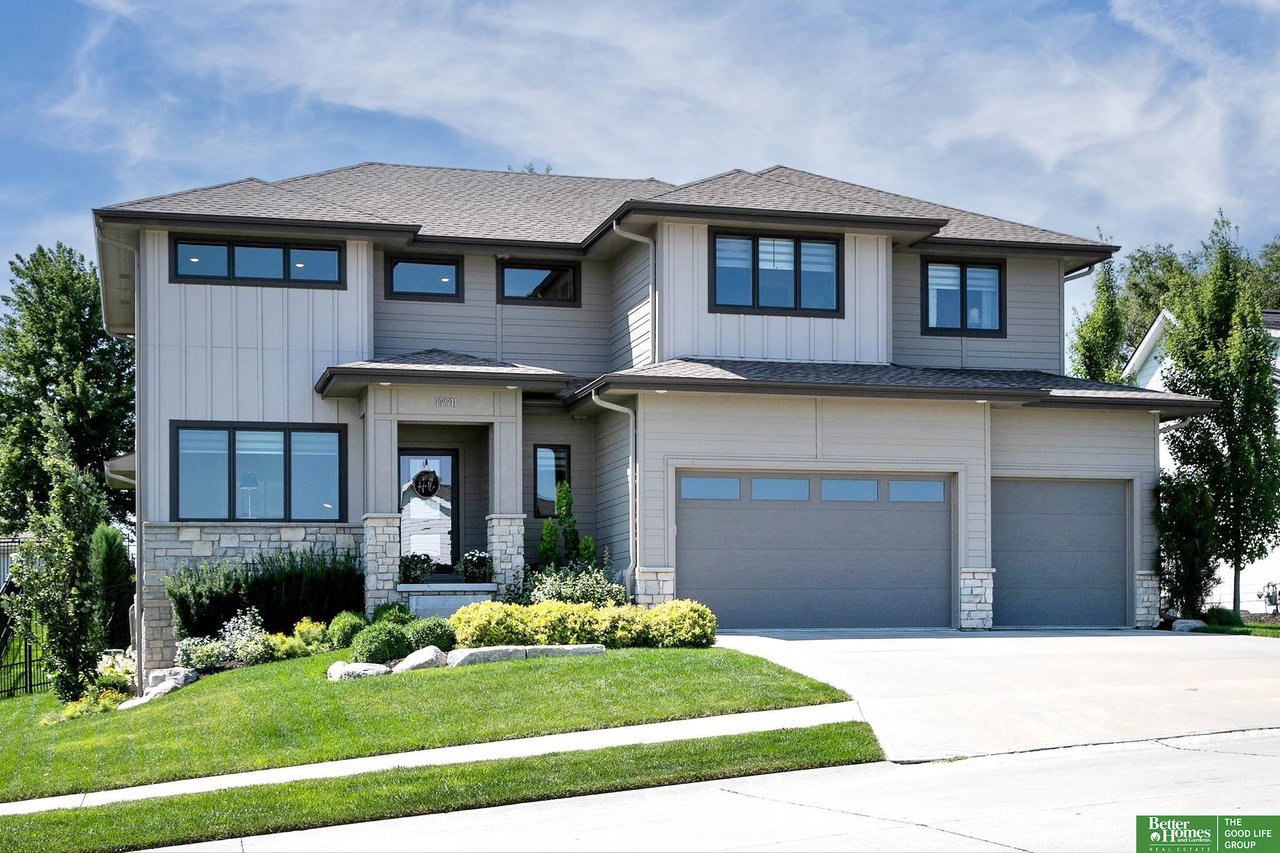
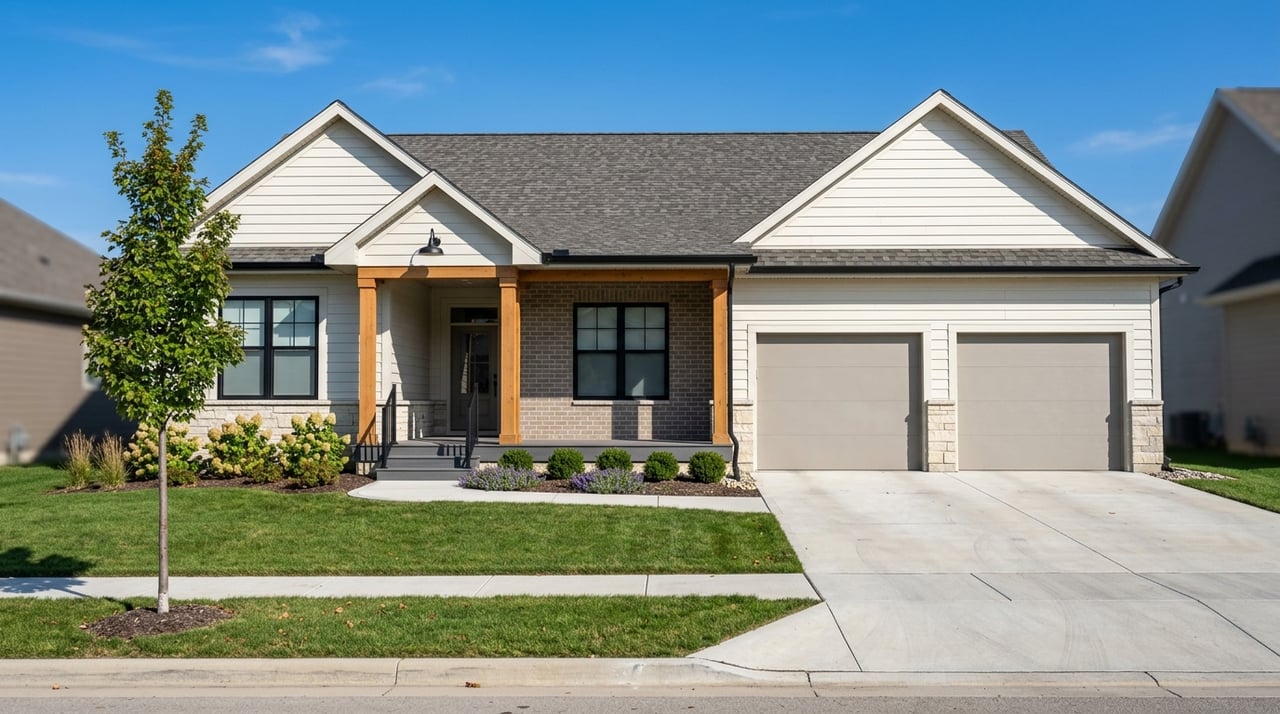
That lines up with Census QuickFacts, which reports that 75.3% of Gretna housing units are owner-occupied. For buyers looking for detached homes, neighborhood streets, and a more residential setting, that pattern may be exactly the appeal.
The same Census profile lists a median owner-occupied home value of $341,600 and a median household income of $123,992. Those figures help frame Gretna as a market that attracts many households looking for stable, owner-occupied suburban living.
Community Services and Family Support
Gretna also offers practical services that matter once the moving boxes are unpacked. Gretna Public Schools is the local district, and its mission states that it accepts all students unconditionally and works to maximize their potential.
The school district is part of the community identity the city emphasizes, but it is best viewed alongside the broader picture of parks, libraries, events, and commute access. That combination is often what shapes day-to-day satisfaction after a move.
Health care access is also growing. Current local options include Children’s Physicians - Gretna, a primary care clinic on Standing Stone Drive, and Nebraska Medicine’s planned Gretna Landing health center, expected to open to patients in the second half of 2027 with primary and specialty care, urgent care, imaging, lab, and pharmacy services.
Is Gretna a Good Fit for You?
Gretna may be a strong fit if you want a suburban setting with newer amenities, easy highway access, and a community calendar that stays active throughout the year. It offers a mix of owner-occupied housing, large park spaces, and practical retail and service corridors rather than an urban, pedestrian-first layout.
If your priorities include room to spread out, access to Omaha, and a community that continues to invest in public spaces, Gretna deserves a close look. It is growing, but it still works hard to hold onto the local feel that many buyers want.
If you are weighing Gretna against other west Omaha or Sarpy County options, the right choice usually comes down to your commute, your preferred home style, and what kind of daily routine you want. If you want help comparing neighborhoods, understanding the local market, or planning your next move, Stacey Reid can guide you with a clear, low-stress approach.
FAQs
What is the commute like from Gretna, Nebraska?
- Gretna offers access to I-80, Highway 370, and Highway 6/31, and Census QuickFacts reports a mean travel time to work of 21.1 minutes for Gretna workers.
What amenities are available in Gretna, Nebraska?
- Gretna offers parks, trails, library services, community events, shopping and dining corridors, and growing health care options, including major amenities at Gretna Crossing Park.
What is Gretna Crossing Park in Gretna, Nebraska?
- Gretna Crossing Park is a 157-acre park completed in 2023 with trails, sports fields, dog parks, a fishing pond, playgrounds, an amphitheater, the Prime Time H20 Zone, and the Gretna Crossing YMCA.
What type of housing is common in Gretna, Nebraska?
- Gretna is primarily a suburban single-family housing market, with owner-occupied homes making up much of the housing mix and limited multifamily stock.
Is Gretna, Nebraska more suburban or urban?
- Gretna is more suburban, with detached-home neighborhoods, commercial areas near highway corridors, and a car-based layout rather than a dense, walkable urban core.