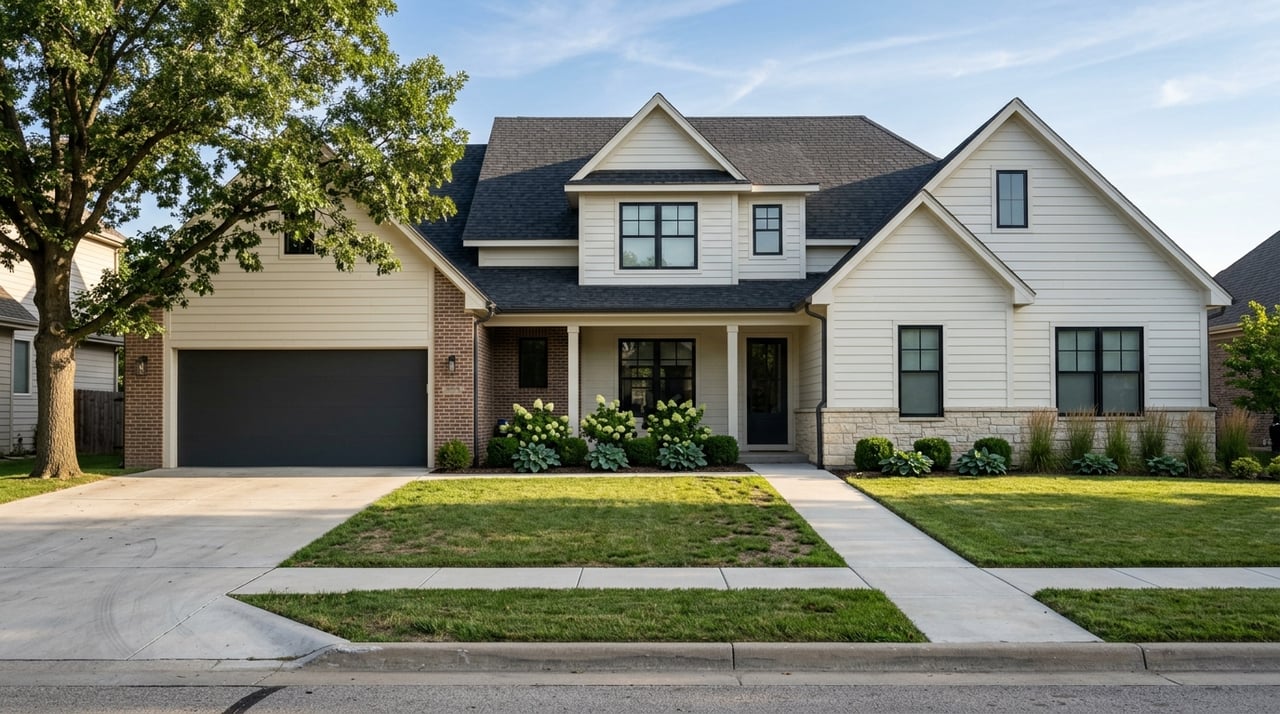
If you are trying to choose between a newer subdivision and an older part of Elkhorn, you are not alone. Many buyers want the same things: the right home size, a manageable commute, and a neighborhood that fits daily life. The good news is that Elkhorn offers both newer and more established options, and each comes with clear tradeoffs. Here’s how to compare them with confidence.
Why Elkhorn stands out
Elkhorn sits in a higher-priced segment of the Omaha-area market, which is important to understand before you narrow your search. In ZIP code 68022, Census Reporter shows that 77% of housing is in single-unit structures, 74% of homes are owner-occupied, and the median value of owner-occupied housing is $462,800. Current market snapshots also show active inventory and pricing well above the broader Omaha median.
That price difference means your neighborhood choice matters a lot. Realtor.com shows a current median listing price of $624,900 in 68022, while Redfin’s recent sold snapshot puts the median sale price at $510,000. Zillow’s Omaha citywide median sale price is much lower at $285,000, which helps explain why buyers often compare pockets within Elkhorn very carefully.
New neighborhoods in Elkhorn
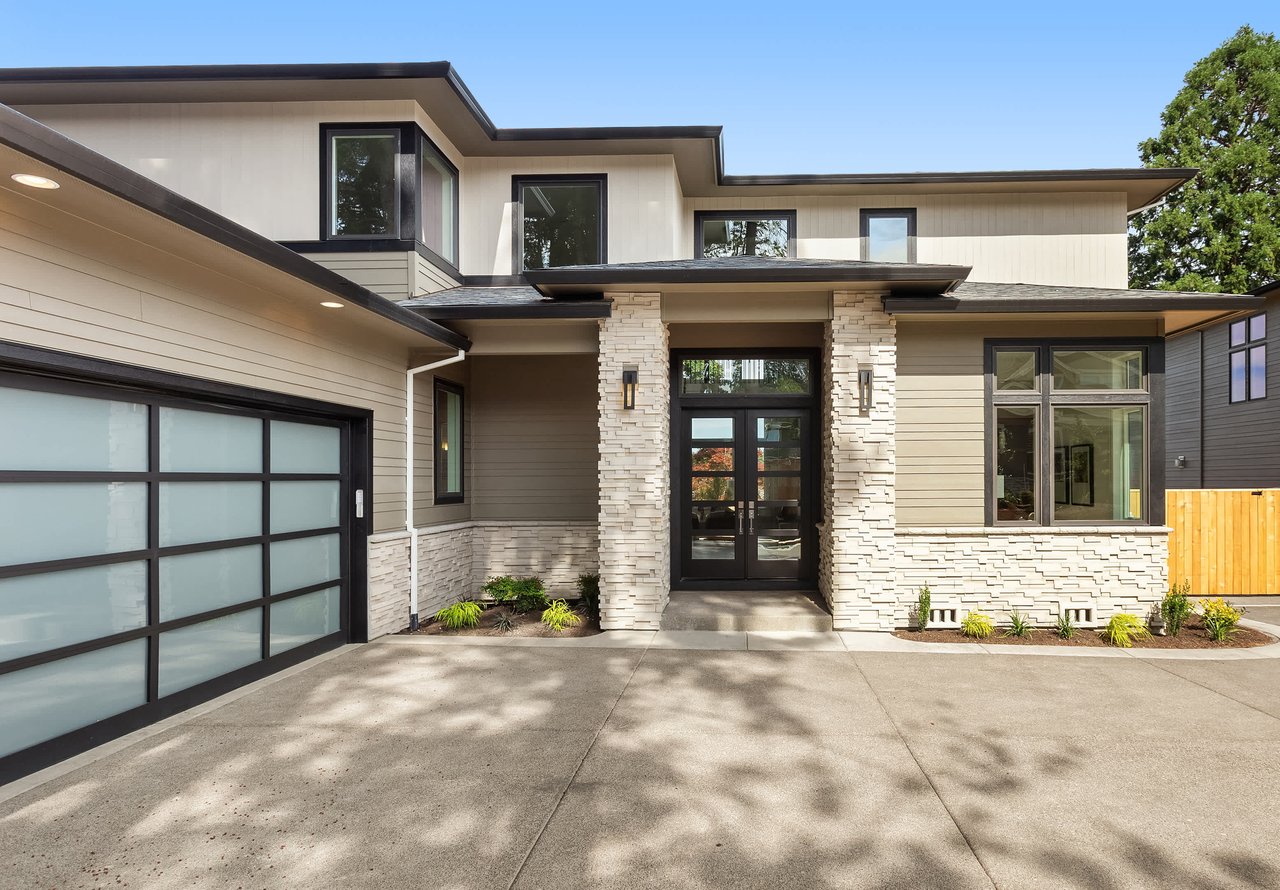
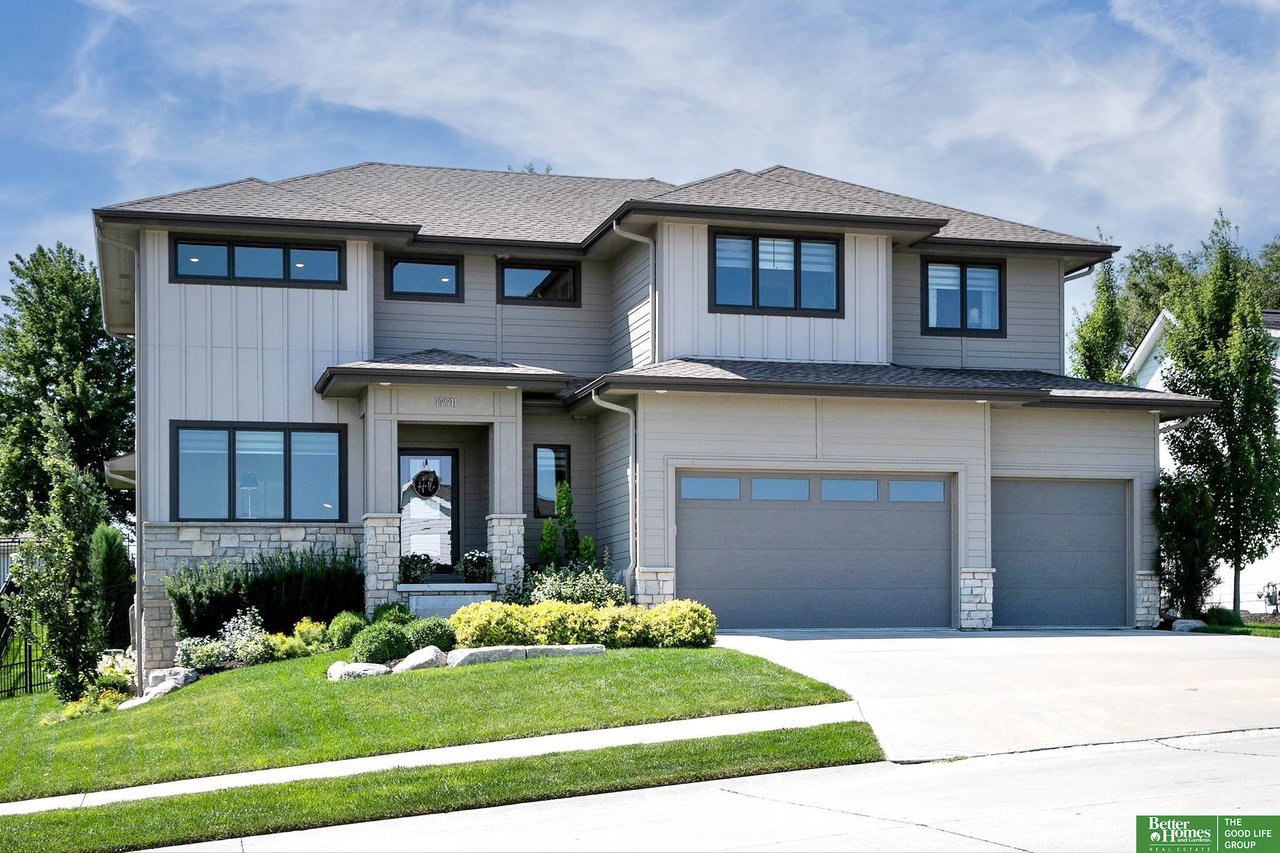
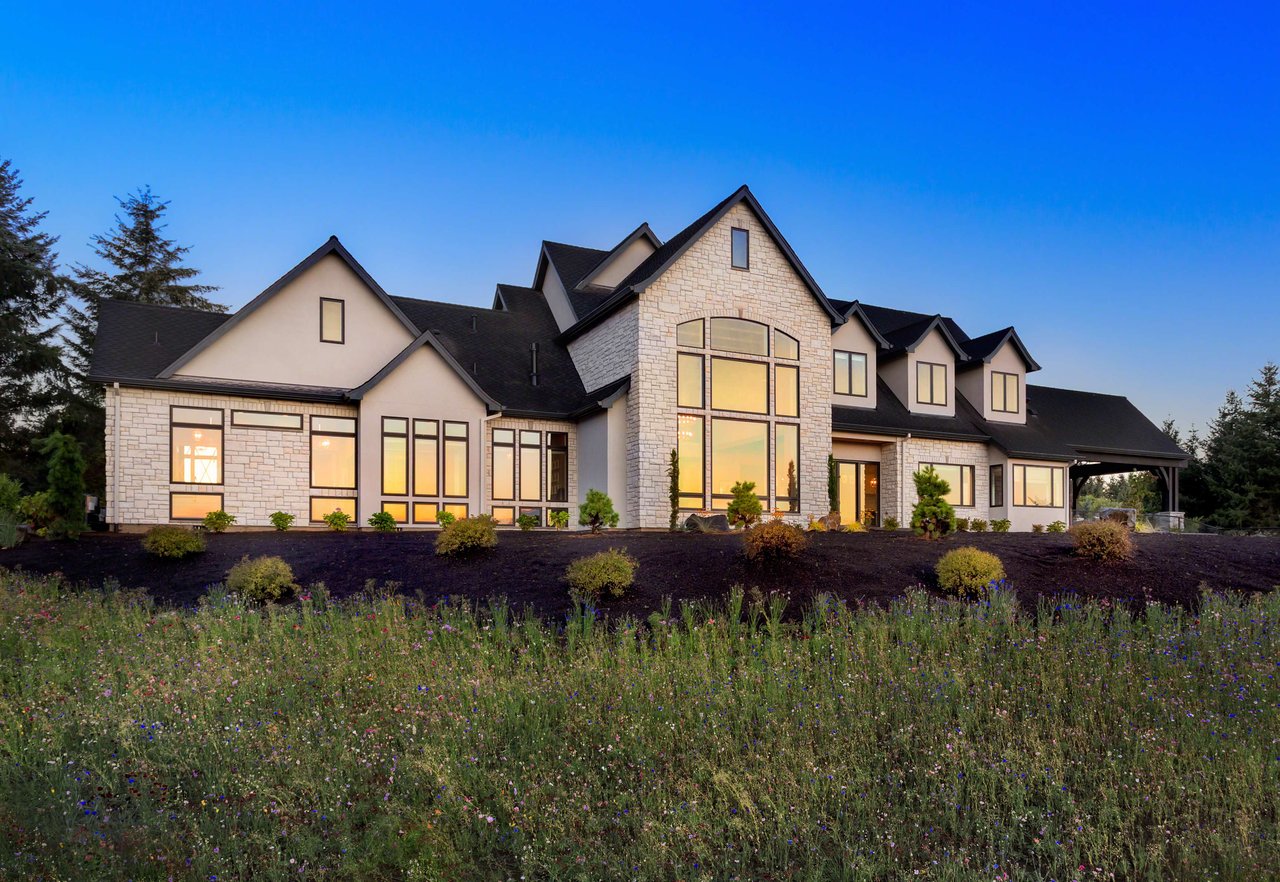
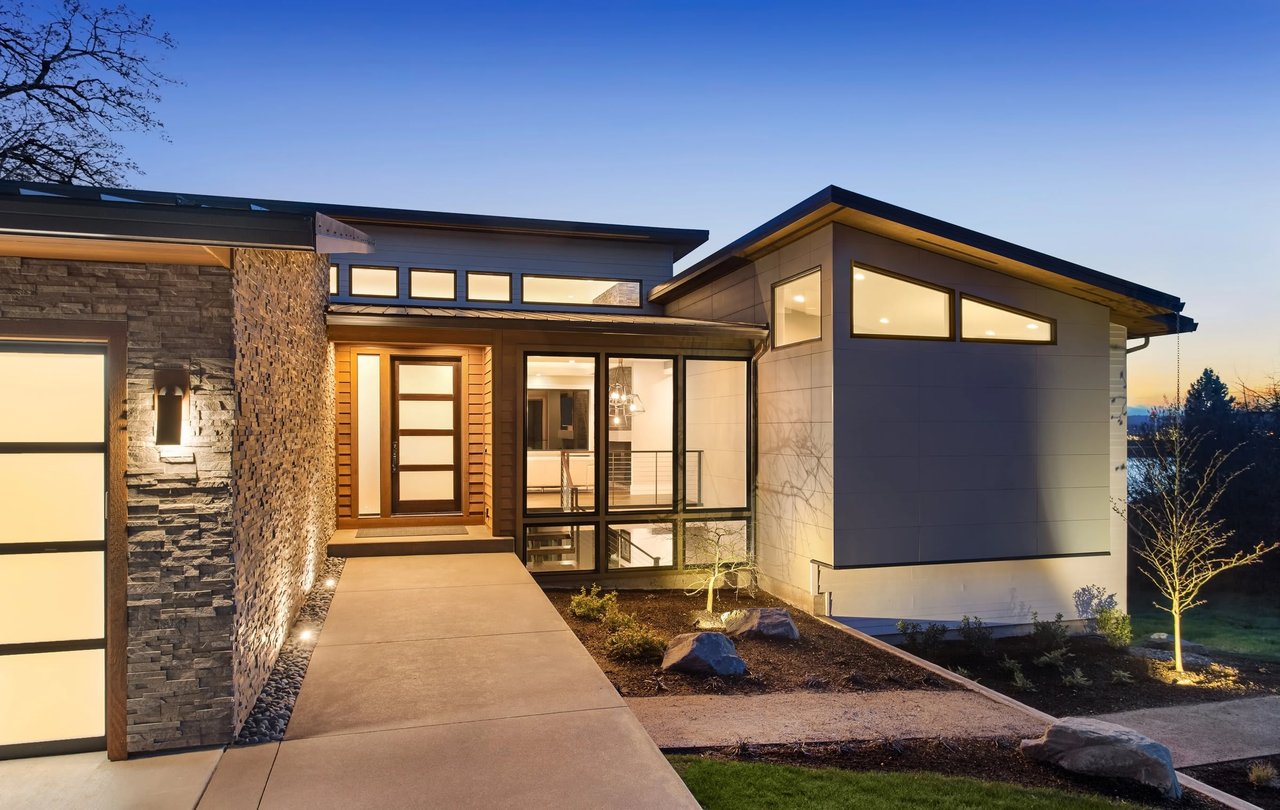
In Elkhorn, newer neighborhoods generally mean newer construction, more uniform streetscapes, and floor plans designed for how many buyers live today. Current 68022 listings labeled new construction include homes ranging from about 3,200 to 6,600 square feet. Lot sizes commonly fall around 0.23 to 0.39 acre, though there are also some townhome-style options and a few larger premium lots.
A lot of this newer inventory appears in the 180th to 220th Street range. That suggests much of Elkhorn’s newer product sits farther west in the development fringe rather than near the original town center. For you, that can mean a very different feel from the more historic parts of Elkhorn.
What buyers often like about newer areas
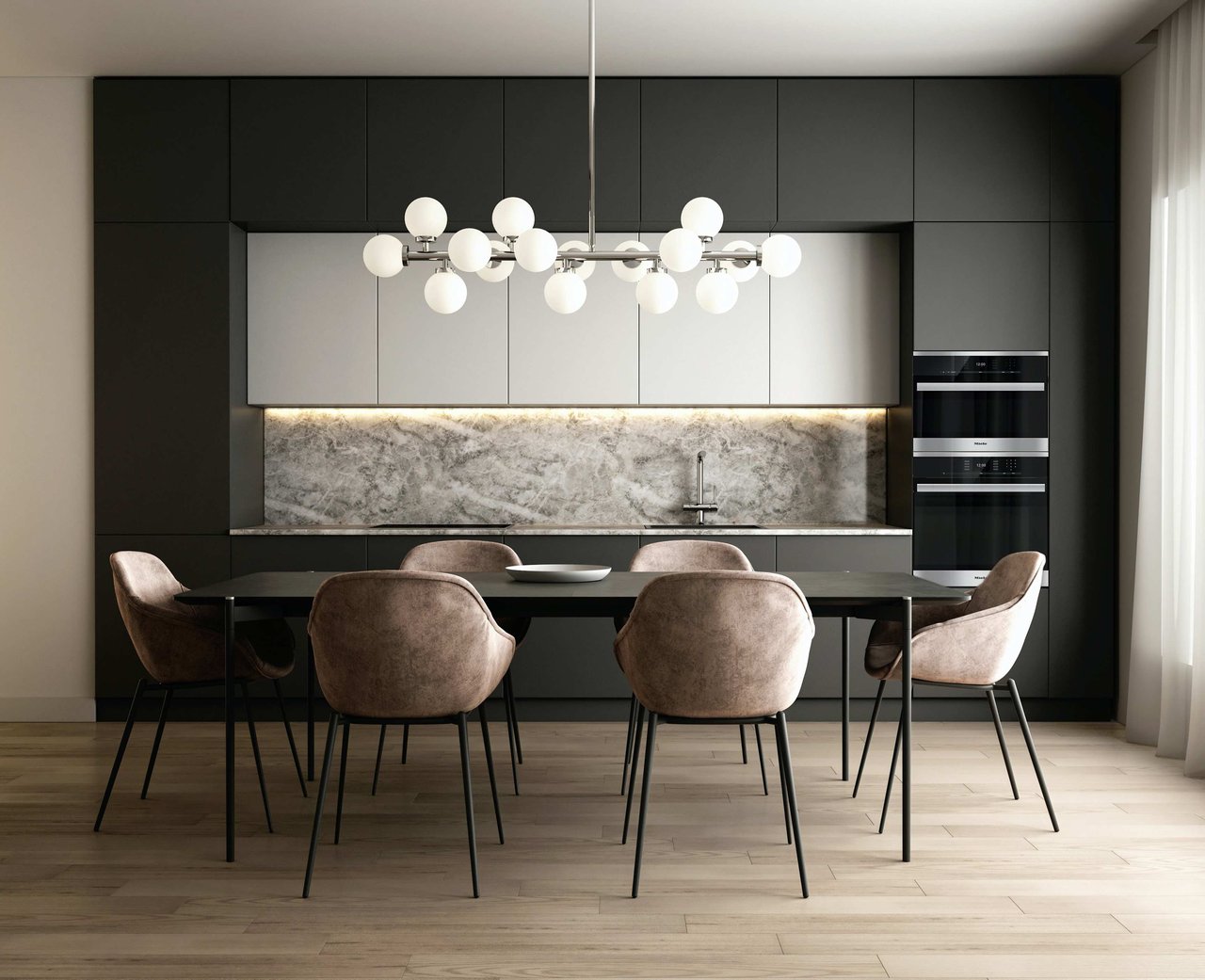
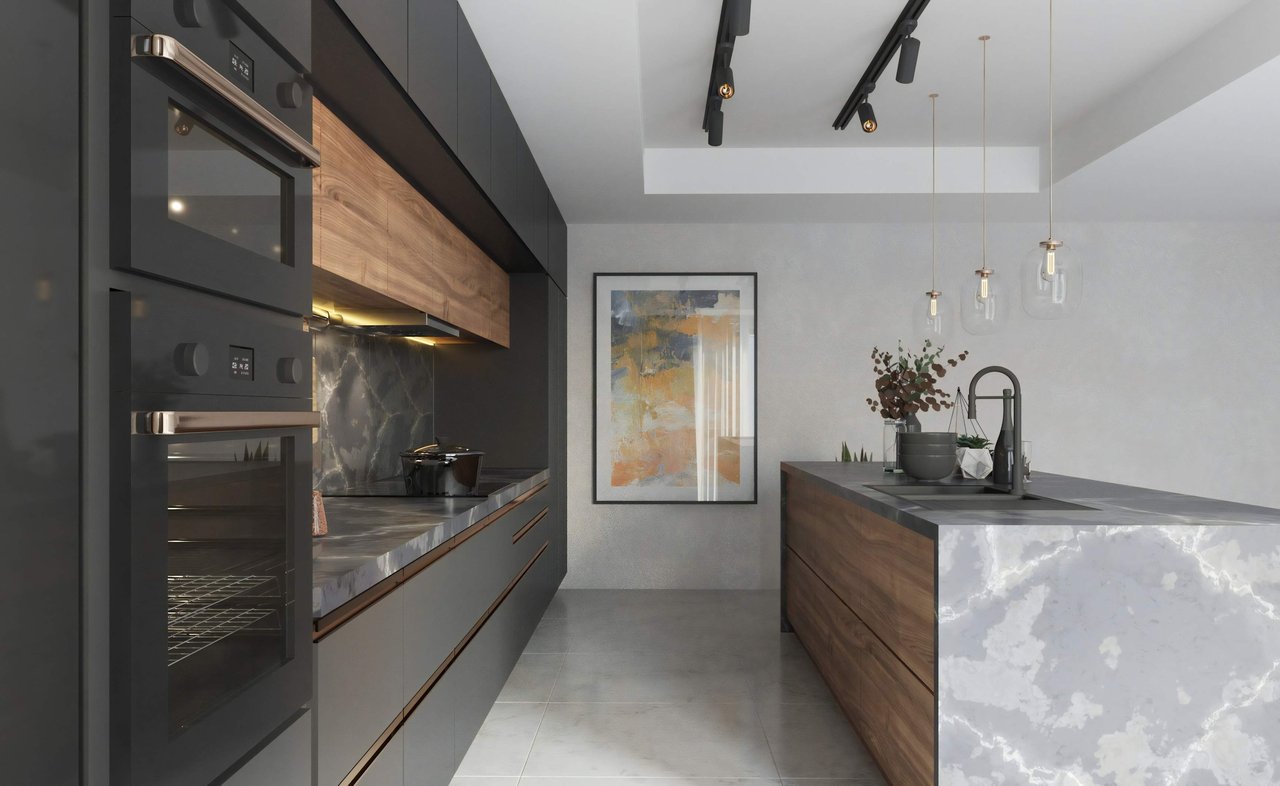
Newer neighborhoods can be appealing if you want a home that feels current from day one. You may find more standardized layouts, larger square footage, and a more consistent look across the neighborhood. If you prefer predictable lot sizes and newer architecture, this side of the market may feel easier to shop.
Street patterns can also feel more planned and uniform. Based on Nebraska Department of Transportation corridor information and Omaha’s complete-streets guidance, many newer subdivision settings tend to feel quieter internally and more car-dependent for daily errands and commuting. That can be a plus if your priority is a more tucked-away residential setting.
What to watch in newer areas
The biggest thing to watch is that “new” does not automatically mean “best fit.” A newer home may offer the finishes and layout you want, but the exact location still matters for your drive, lot preference, and budget. Since Elkhorn covers a wide price range, you will want to compare each pocket rather than assume all new-build neighborhoods feel the same.
You should also think about lot shape and outdoor space. While many new homes offer solid lot sizes, the active listing mix suggests that the range is often narrower than what you may see in established parts of Elkhorn. If you want acreage or an unusually large parcel, older areas may open up more options.
Established neighborhoods in Elkhorn
Established Elkhorn is not just one thing. It includes the historic core, older subdivisions, and properties with much more variation in lot size and home age. If you want character, variety, or a less uniform setting, established neighborhoods may deserve a closer look.
The historic center is the clearest example. National Register documentation describes the Elkhorn Commercial Historic District as four blocks in the original town plat with mostly vernacular buildings, one-story commercial blocks, three two-story commercial blocks, and a few residential-form buildings. In plain terms, that older center has a more traditional small-town feel than a newer planned subdivision.
What buyers often like about established areas
The biggest advantage is variety. Current active listings in 68022 include existing homes on lots of about 8,712 square feet, 0.24 acre, and even much larger 1.61- to 2.62-acre parcels. That wider spread means established Elkhorn can offer everything from compact neighborhood living to semi-rural space.
You may also notice more visual character from one property to the next. In older parts of Elkhorn, home ages, lot shapes, and street layouts often vary more than in newer developments. For some buyers, that variety makes the neighborhood feel more personal and less cookie-cutter.
What to watch in established areas
With more variety comes more homework. Two established neighborhoods can feel very different from each other, even when they share the same Elkhorn address. One area may offer a classic small-town setting, while another may lean more toward larger lots and a quieter edge-of-town feel.
Maintenance expectations can also differ more from house to house. Since established areas include a broader age range of homes, it is smart to compare condition, updates, and lot upkeep carefully. The payoff is often more choice, but you will want to weigh that against your time, budget, and comfort level.
Price differences within Elkhorn
One of the most important things to know is that Elkhorn pricing can shift sharply by pocket. Realtor.com neighborhood-level data shows medians ranging from $322,500 in Pacific Heights to $672,500 in Indian Creek. That spread is a strong reminder that your budget may go much further in one part of 68022 than another.
This is why the decision is usually not just new versus established. It is more about which part of Elkhorn matches your price point, home goals, and day-to-day routine. A newer home in one pocket may compete directly with an established home in another, even though the neighborhoods feel very different.
How commute can shape your choice
For many buyers, commute matters just as much as home style. NDOT identifies I-80, I-480, I-680, US-75, and West Dodge Expressway as major highways in the Omaha metro. NDOT also notes that the US 6 at 192nd Street and West Dodge Road interchange carries more than 68,000 vehicles per day and sits in an area with substantial nearby development.
That means access to major corridors can affect your experience more than a neighborhood’s age. If you are looking farther west in a newer area, you may gain newer housing stock but need to pay closer attention to your most-used routes. If you are considering an established area closer to the historic core, you may prefer the setting while still needing to map your drive carefully.
How to choose the right fit
The best way to compare Elkhorn new versus established neighborhoods is to focus on the parts of daily life that matter most to you. A clear short list can make the decision much easier.
Ask yourself these questions
- Do you want a newer floor plan and more standardized neighborhood layout?
- Would you rather have more lot-size variety or even acreage?
- How important is a historic or small-town feel?
- What commute routes will you use most often?
- Do you want a lower-maintenance starting point, or are you open to more variation in home age and condition?
- What price range feels comfortable in today’s Elkhorn market?
A simple side-by-side view
| Feature |
Newer Elkhorn neighborhoods |
Established Elkhorn neighborhoods |
| Home style |
Newer architecture and floor plans |
Wider age range and more variation |
| Lot sizes |
Often more standardized |
Broader range, including larger parcels |
| Neighborhood feel |
More uniform subdivision setting |
More historic or varied character |
| Location pattern |
Often farther west, around newer growth |
Includes historic core and older pockets |
| Buyer appeal |
Move-in-ready feel and newer design |
Character, flexibility, and lot variety |
The bottom line on Elkhorn neighborhoods
Elkhorn gives you real choices, which is a great problem to have. Newer neighborhoods often offer larger modern homes, more consistent streetscapes, and a westward growth pattern. Established neighborhoods often offer more lot-size flexibility, stronger historic character, and a wider mix of housing types and settings.
The right answer depends on how you live, not just how a neighborhood is labeled. If you want help narrowing down which Elkhorn pocket fits your goals, budget, and commute, Stacey Reid can help you compare your options and move forward with clarity.
FAQs
What is the difference between new and established neighborhoods in Elkhorn?
- Newer Elkhorn neighborhoods usually offer newer architecture, larger modern floor plans, and more standardized lots, while established neighborhoods usually offer more lot-size variety, older homes, and stronger historic character.
Are home prices different across Elkhorn neighborhoods?
- Yes. Realtor.com data shows neighborhood-level median prices in 68022 ranging from $322,500 in Pacific Heights to $672,500 in Indian Creek.
Where are most new construction homes located in Elkhorn?
- Current 68022 listings suggest that many newer homes are concentrated in the 180th to 220th Street range, which points to westward growth areas rather than the historic center.
Do established Elkhorn neighborhoods have larger lots?
- They can. Active listings in established parts of 68022 range from typical subdivision lots to much larger parcels of about 1.61 to 2.62 acres.
Is Elkhorn more expensive than Omaha overall?
- Yes. Recent market snapshots show Elkhorn pricing well above Omaha’s broader median sale price, making it a higher-priced submarket within the metro area.
How should buyers choose between newer and older parts of Elkhorn?
- Start with your budget, preferred lot size, home style, maintenance comfort, and commute needs, then compare specific pockets instead of treating all of Elkhorn as one market.